A little more about me!
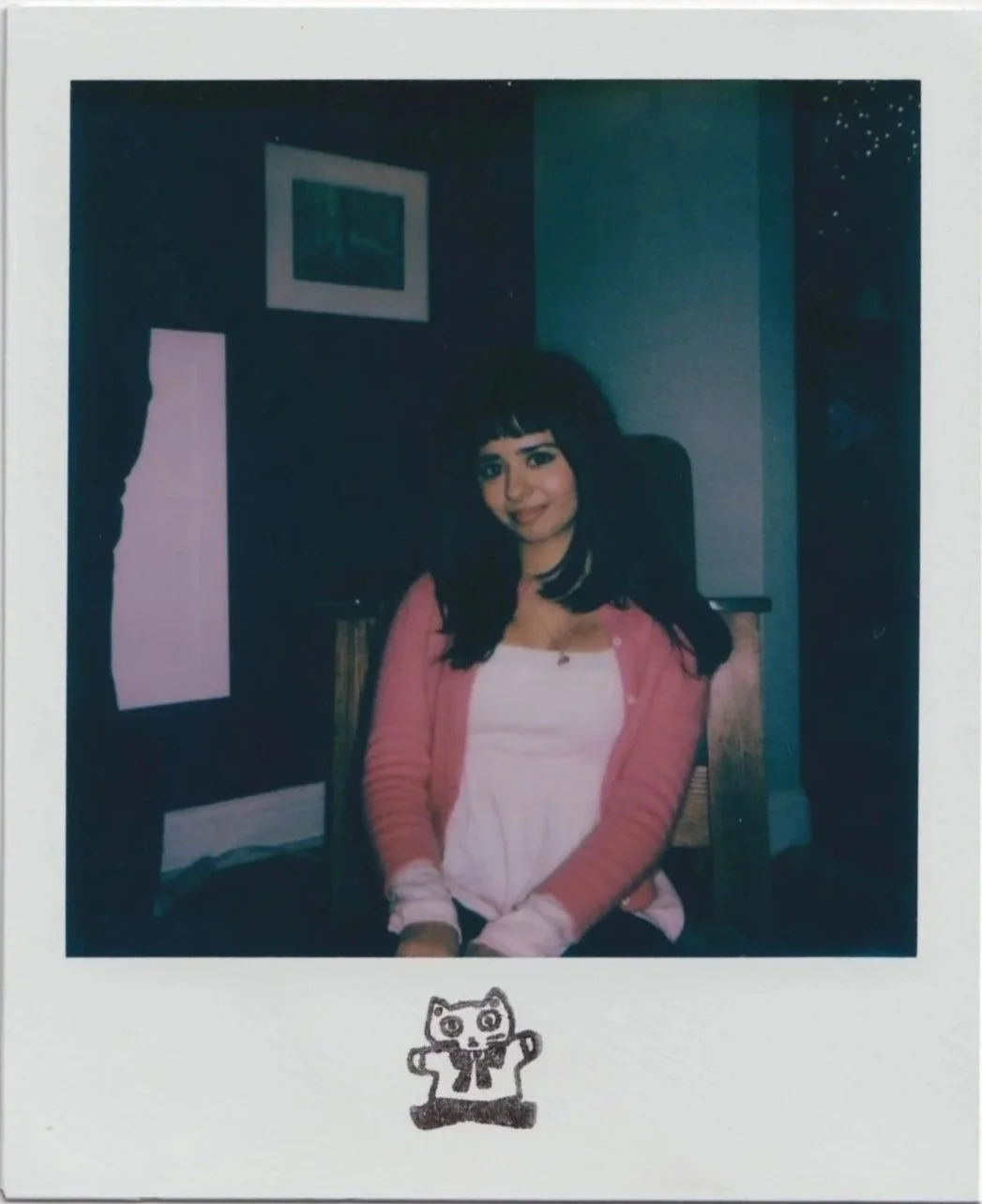
I’m Mahey, a designer and multidisciplinary artist based in Northern Virginia. My design and art practices continually inform each other.
My background in graphic design and UX gave me a foundation in systems, function, accessibility, and audience. I learned to think about how information is organized, how people move through an experience, and how design decisions can support a larger purpose.
My art practice has given me room to question those systems. I work with paper, found materials, images, paper weaving, and cyanotype. Through these processes, I explore identity, cultural inheritance, memory, and context. Making allows me to slow down, experiment, and follow an idea without knowing exactly where it will lead.
This exchange has changed how I approach both practices. Design has taught me to recognize structure. Art has taught me that structure can be questioned, disrupted, and remade. I’m interested in the space between the two, where function can coexist with experimentation and a system can become a starting point rather than an endpoint.
I’m currently developing this research through WEAVING, WORLDING with Living Room Studio, exploring archival research, material experimentation, and cultural history. This work continues to shape how I think about materials, systems, and the ethics of interaction behind form and function.


From Berries to Badges
A woman’s role has long been associated with gathering. We often hear stories of Stone Age women collecting berries while men hunted. Today, women can choose many different paths, yet gathering remains a familiar practice, carried forward in new forms.
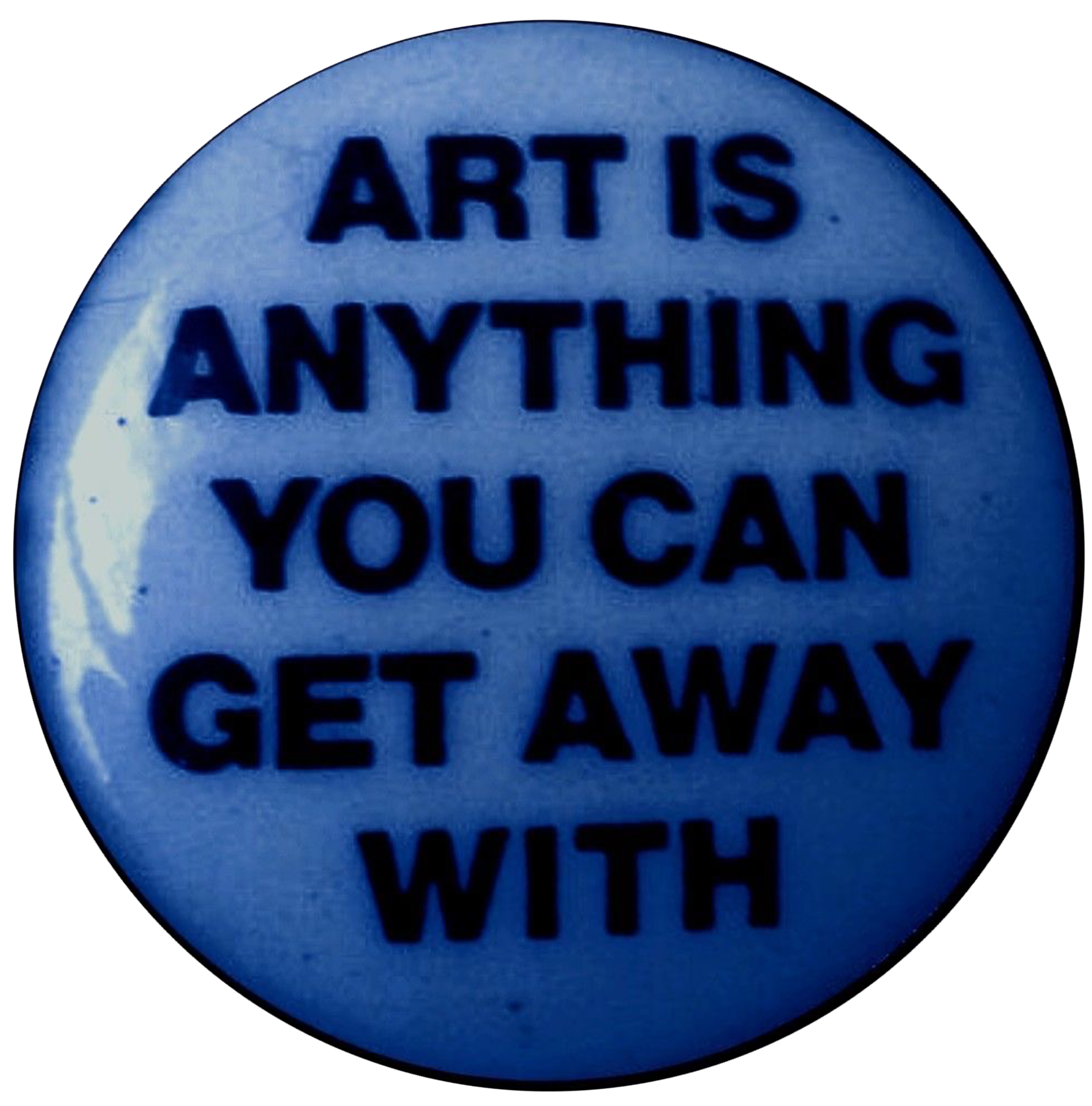
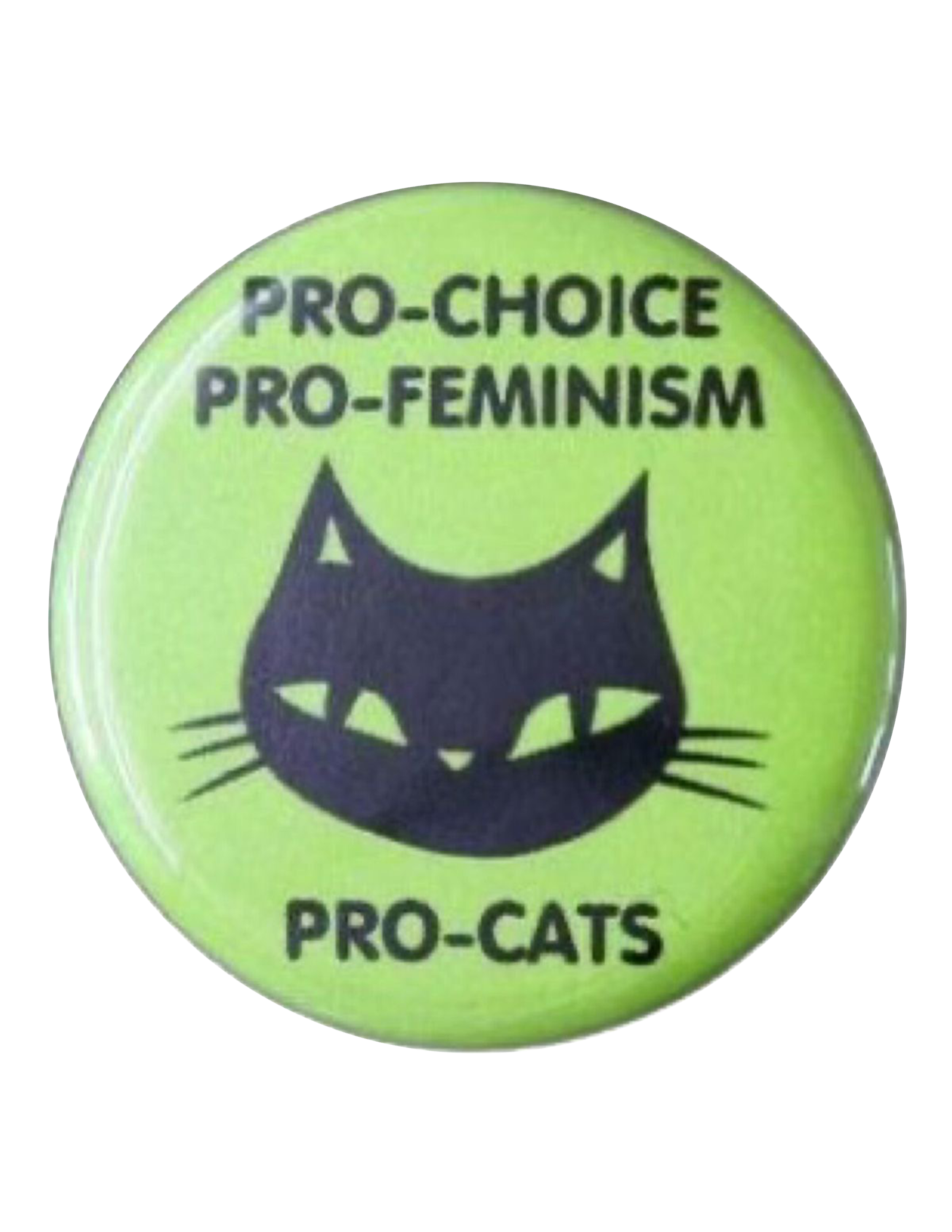
Collection has expanded beyond the physical into the digital realm. Throughout this site, I present a curated collection of Pinterest badges. They echo the badges worn during the early twentieth-century suffragette movement as markers of affiliation, political belief, and collective identity.
Today, I collect images, ideas, and identities. These are all my modern berries.